London Heathrow feels less like a transit facility and more like a British high street under glass. It is not that the British are inherently materialistic. It is that the architects of Terminal 5 and the rebuilt Terminal 2 understood that waiting for a flight is an exercise in captive attention, and built accordingly. Heathrow is the only airport named World's Best Airport for Shopping at the 2026 Skytrax Awards. Retail revenue crossed £698 million in 2023. It houses Harrods, Fortnum and Mason, and a champagne bar in the same building as a Pritzker Prize-winning terminal shed.
But the thesis that holds through the flight is this: every great airport is built around one moment. Heathrow's moment is not a feature. It is a relic. On the outdoor terrace of the British Airways Concorde Room in Terminal 5, a thirteen-foot nose cone from G-BOAF, the last Concorde ever to fly, sits on a wooden plinth beside a champagne pour. No other working airport on earth has an authenticated piece of a Concorde airframe embedded inside an operational passenger lounge. Everything else in this guide frames that single fact.
The airport handled 83.9 million passengers in 2024 through four terminals and two runways.
The high street. The pub. The world.
Under one roof, before the gate.
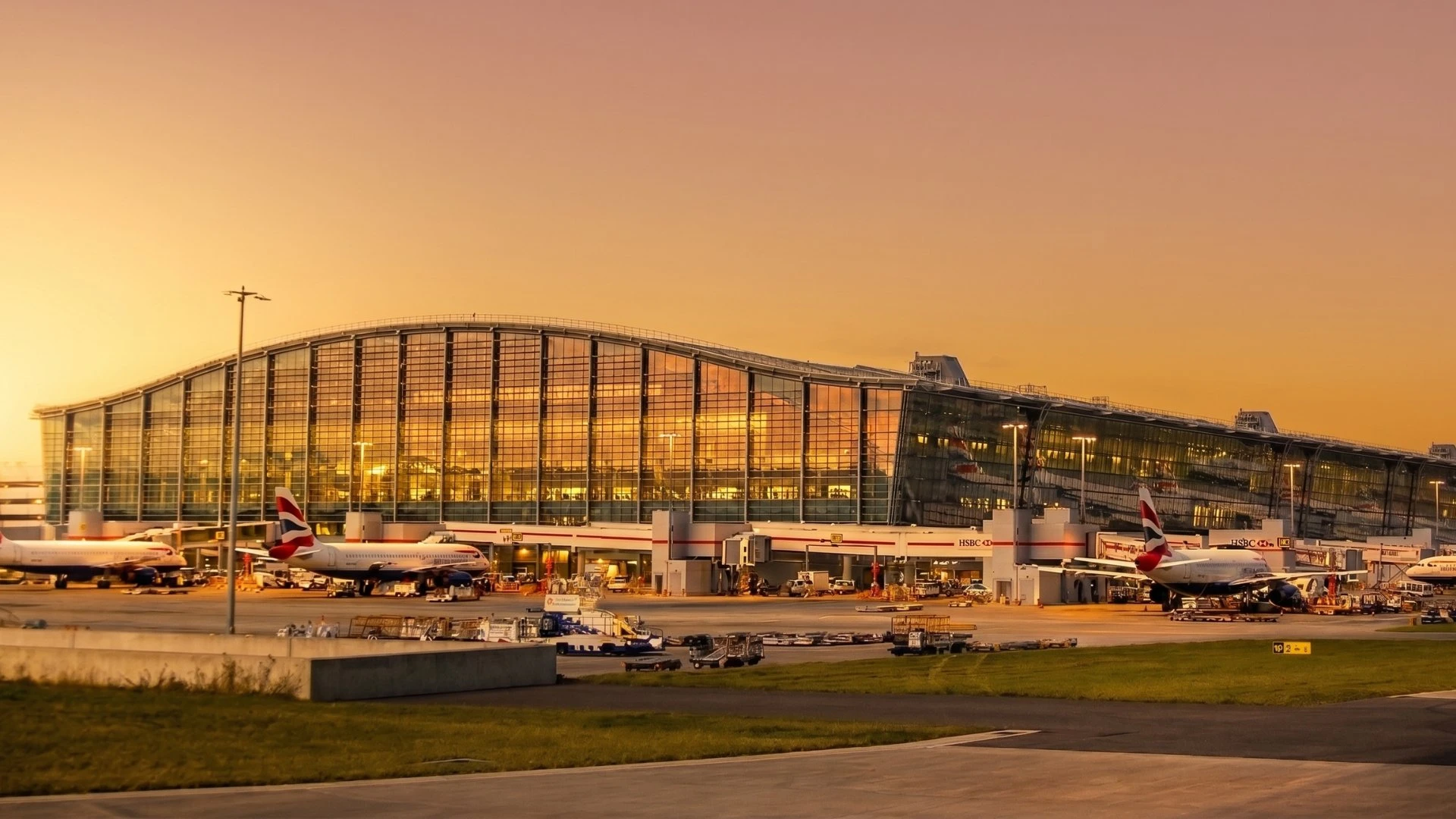
London's signature begins with the building. Terminal 5 is Richard Rogers Stirk Harbour + Partners' masterwork: a single volume three hundred and ninety-six metres long under a wave roof with a hundred and fifty-six-metre clear span. Twenty-two pairs of inclined tubular steel legs carry eighteen thousand tonnes of roof. The glass facades lean outward at six and a half degrees. The interior is structurally independent of the shell, meaning it could be rebuilt entirely without touching a column. From the check-in hall, the building appears to be breathing. Everything else at Heathrow happens inside this frame.
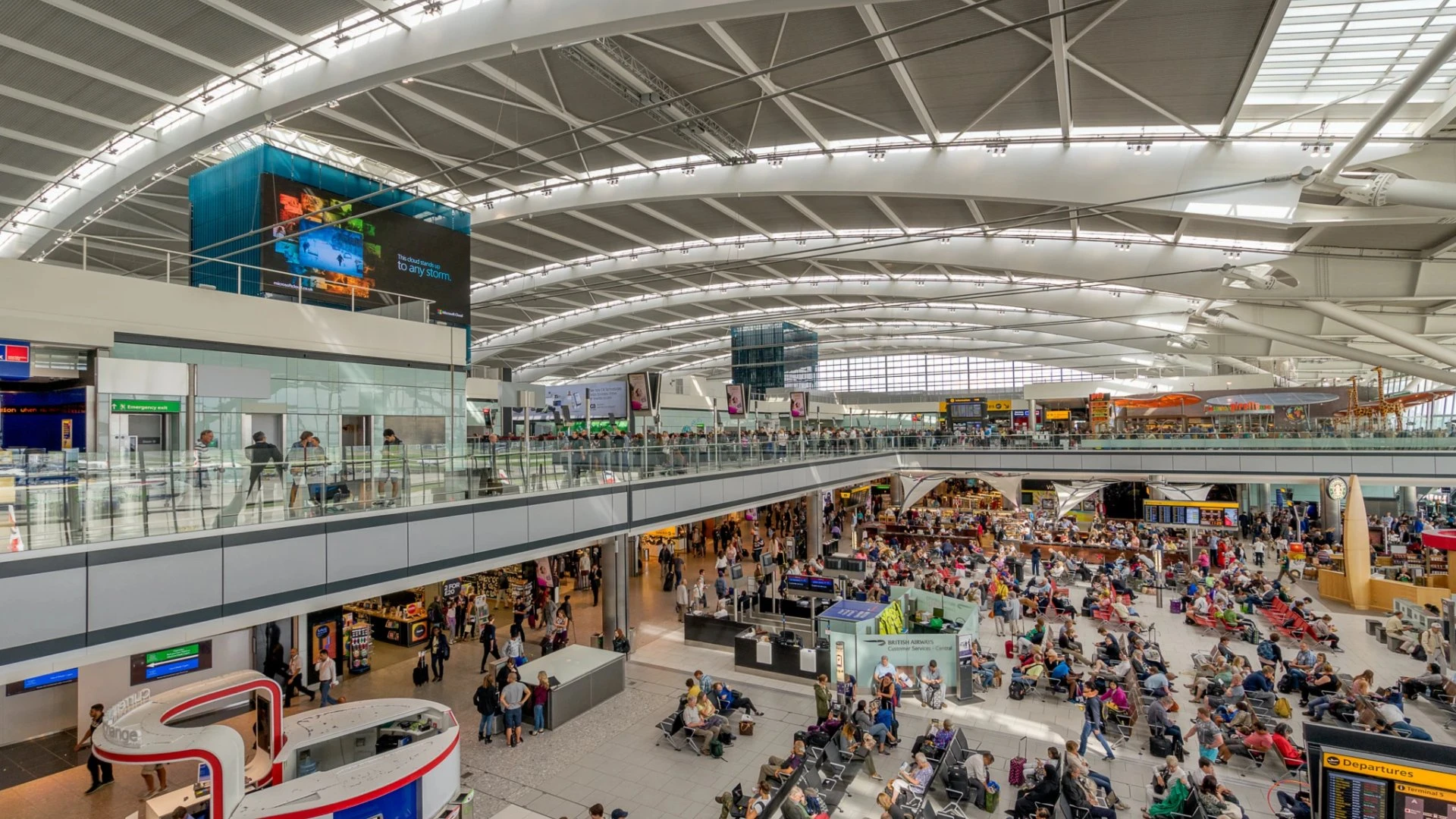
Inside the frame is a high street. Fifty-two thousand square metres. Three hundred and forty outlets. Harrods operates a full-scale store airside in Terminal 3, the only Harrods outside Knightsbridge. Fortnum and Mason has its first airport outpost in Terminal 5. The watch galleries carry Patek Philippe, Rolex, and Cartier. A free personal shopping service runs across all terminals: book forty-eight hours in advance, meet a stylist after security, buy from a private lounge while the merchandise comes to you. The retail leads, eventually, to the Concorde Room above the T5 concourse, where the thirteen-foot nose cone of G-BOAF, the last Concorde ever to fly, sits on a wooden plinth on the Terrace with champagne poured beside it. No other working airport has an authenticated piece of a Concorde airframe inside an operational lounge.
That juxtaposition is Britain performing itself, and Heathrow did not design it. It simply could not prevent it.
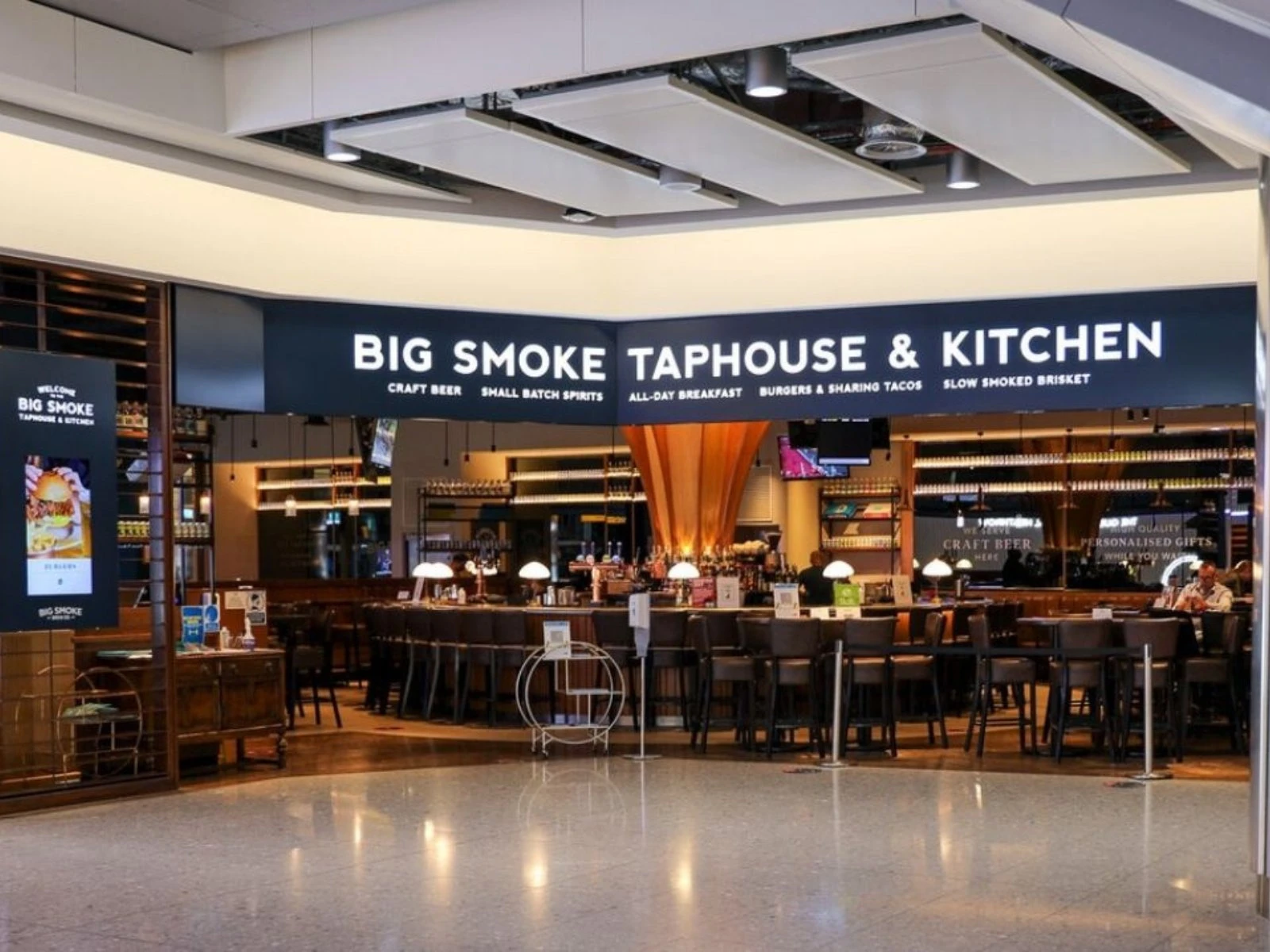
The food at Heathrow is not airport food. It is London food, which means it is expensive, occasionally brilliant, and worth planning around.
In Terminal 5, Pilots Bar and Kitchen is a 1950s-inspired all-day brasserie running around the clock: traditional English breakfast, eggs Benedict, freshly made pastries, and burgers at any hour. One concourse along, Fortnum and Mason operates the world's first airport Fortnum outpost, open since 2014. Order the Welsh rarebit toastie and a glass of champagne beside the shop.
In Terminal 2, Shan Shui draws its look from 1920s Shanghai, the years of dance halls and glitzy restaurants. The menu runs from Cantonese roast duck and fried chilli crab bao to Singapore laksa and Sichuan chilli oil wonton. It overlooks the runway and has its own private observation deck: the only restaurant at Heathrow with a dedicated spot to watch the aircraft. For all-day dining across T2 and T3, Co-Pilots Bar and Kitchen runs twenty-four hours: eggs Benedict, American pancakes, freshly made pastries, salads, sandwiches, and burgers at any hour.
Here is what the seasoned London traveller knows that you do not.
First: the First Wing. Enter Terminal 5's check-in hall and turn hard right into the far southern corner. Fourteen private check-in desks. Two private security lanes with CT scanners, liquids and laptops stay in your bag. A door opens directly into Galleries First. From there, the Concorde Room is a short walk across the South Lounge complex. Michele Robson timed it on opening day in 2017: four minutes, desk to lounge. Curbside to lounge is five to eight minutes. Accessible to BA First passengers, BA Gold, and oneworld Emerald members in any cabin. This is the best four minutes in British aviation.
Second: Myrtle Avenue. A short walk from Hatton Cross station on the Piccadilly line, this residential dead-end sits at the eastern end of the southern runway. When Heathrow is on westerly operations, approximately seventy percent of the year, arriving aircraft on runway 27L pass forty feet above the rooftops. Full-frame shots of an A380 on short finals with a 70-200mm lens. No facilities, no entry fee, no signage. Spotters from around the world arrive with folding chairs. It is the most democratic place at any airport in Europe.
Third: the liquids rule is dead at Heathrow as of early 2026. Containers up to two litres can stay in your cabin bag through security at all four terminals. Electronics no longer come out. The majority of passengers still do not know this. Fourth: the Heathrow Pod between Terminal 5 and the business car park is the only operating Personal Rapid Transit system in the world: twenty-one driverless four-passenger pods on a 3.9-kilometre guideway, thirty-second waits.
London answers the layover with a strictly tiered system of hospitality. The tiers are real and the differences between them are significant.
In Terminal 5, the Sofitel is the only five-star hotel directly attached to a Heathrow terminal, connected by a five-minute covered skybridge. Day-use rates are available. Book one for a red-eye connection: blackout curtains that erase the runway, a deep bath, a real bed. YOTELAIR at Terminal 4 and Aerotel at Terminal 3 rent cabins by the four-hour block from roughly fifty pounds, for passengers who need three hours of horizontal before the next sector. The Plaza Premium arrivals lounge at T3 reopened in October 2025 with seven shower rooms from twenty-nine pounds, the best arrivals-side shower at any Heathrow terminal.
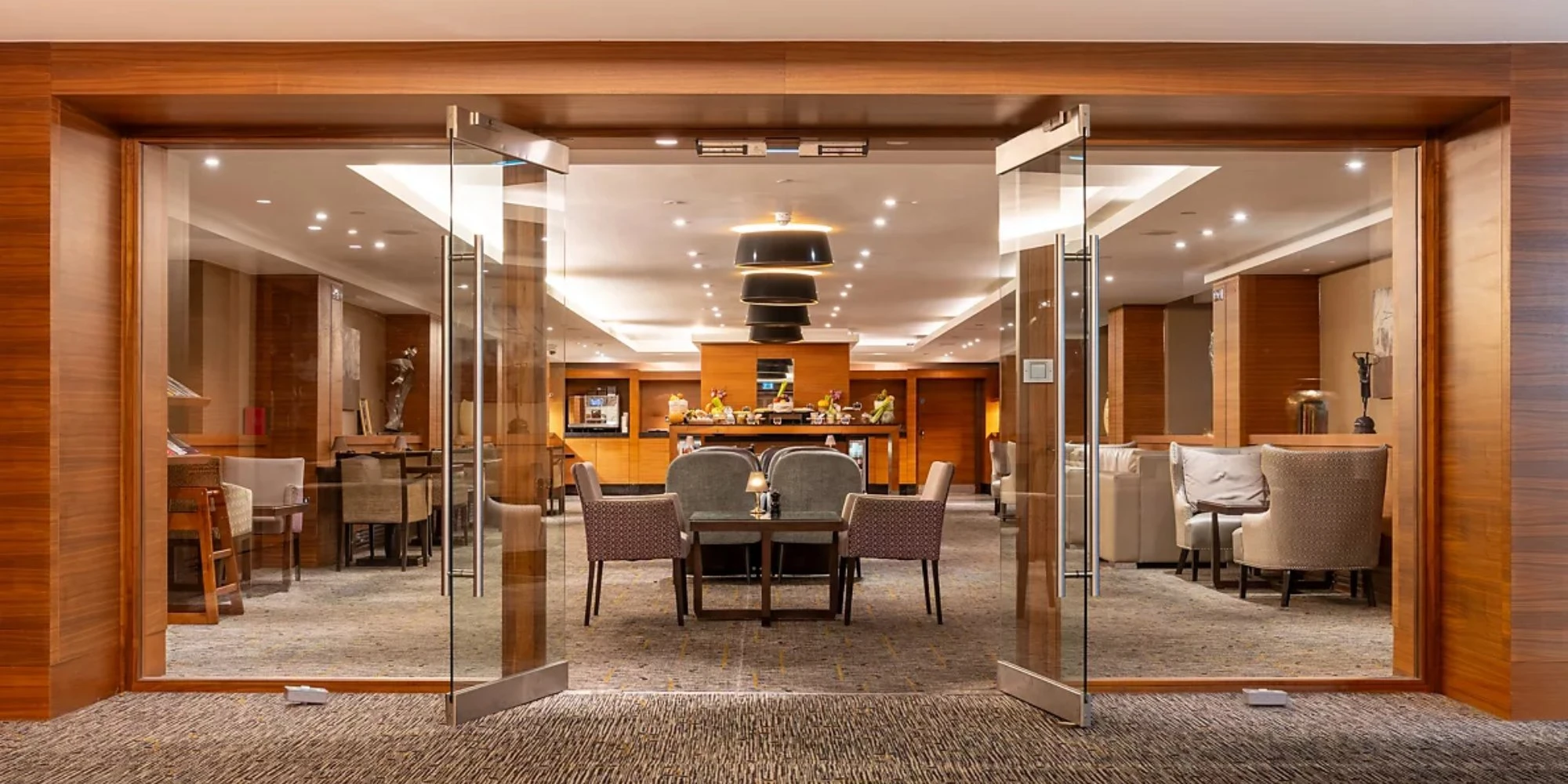
For the Concorde Room contingent, the lounge itself is the transit sanctuary: full à la carte with waiter service, no buffet, Pommery Cuvée Louise 2006 champagne on pour, and the Concorde nose on the terrace. The Elemis spa is closed. The cabanas are replaced by Restworks Forty Winks energy pods. The honest verdict from reviewers in 2025 is that it is coasting on past glory. The honest counter-verdict is that it remains the only lounge in the world with a Concorde on the terrace, and that is a different kind of reason to enter. For everyone else, the Cathay Pacific First lounge in Terminal 3 is the best lounge at Heathrow by most objective measures.
You have two hours. Or four. Or eight. Or thirteen. Here is what to do.
Airside T2: Slipstream from the mezzanine. Cyril Lignac at Louis Vuitton if you have forty minutes. Fortnum's Welsh rarebit in T5 if your gate allows.
Fortnum's Welsh rarebit in T5. Walk the T5 retail canyon. Shan Shui at T2 for the runway deck. Slipstream from the departures walkway before clearing.
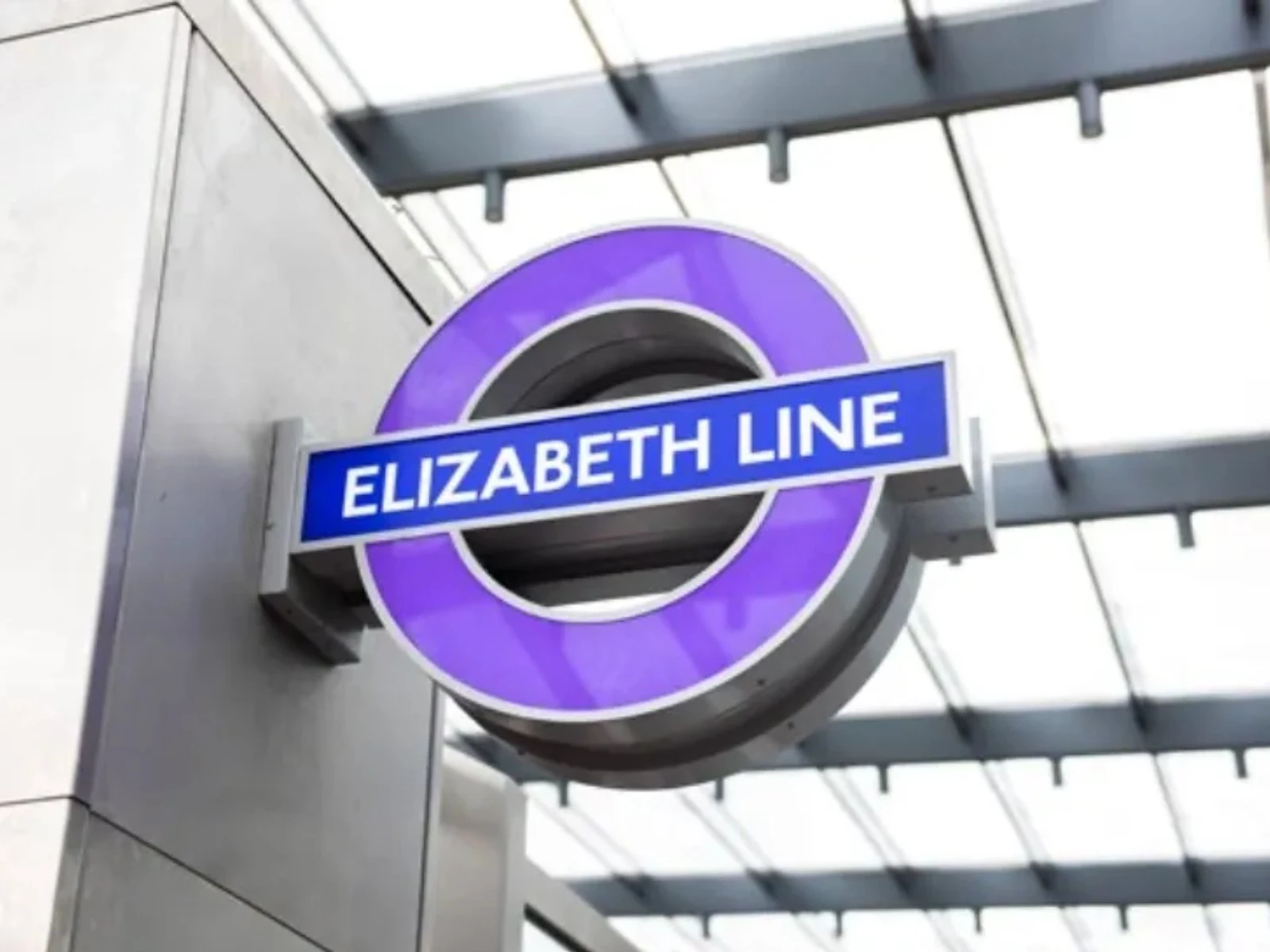
Elizabeth line to Bond Street or Liverpool Street, twenty-nine minutes from T2 and T3. Walk from Paddington to Hyde Park. Pub lunch in Marylebone. Return with two hours spare.
Elizabeth line to central London. Tate Modern. Borough Market. Walk across Waterloo Bridge. Return via Canary Wharf. Elizabeth line back direct. Total: nine hours city, four hours airport buffer.
Elizabeth line from T2 and T3 to Bond Street: twenty-nine minutes, £15.50 peak single as of March 2026. Heathrow Express to Paddington: fifteen minutes, £10 advance-booked, £25 walk-up. Piccadilly line: fifty to sixty-five minutes, £5.90 from Zone 1. Taxis: £70 to £100 from central London. The honest recommendation for most passengers is the Elizabeth line.
London's photograph is Slipstream from the mezzanine.
Take the departures walkway in Terminal 2 to the upper level and position yourself level with the midpoint of Richard Wilson's sculpture. At ground level the form reads as a confused mass. At the mezzanine the twist resolves: you see the full seventy-eight metres of the flight path as Wilson intended it, the aluminium surface catching the north-facing skylight above. Switch to 0.5x. Frame the length of the sculpture against the Luis Vidal roof wave. The scale only becomes legible at this angle.
This is the photograph that explains what Terminal 2 is doing. The airport commissioned a piece of public sculpture large enough to fill a cathedral and then built the terminal around it. Heathrow does not always get everything right. This it got exactly right.